
Researching Irish peatlands, fens and wetlands - their ecology and conservation
Key projects
-
![]()
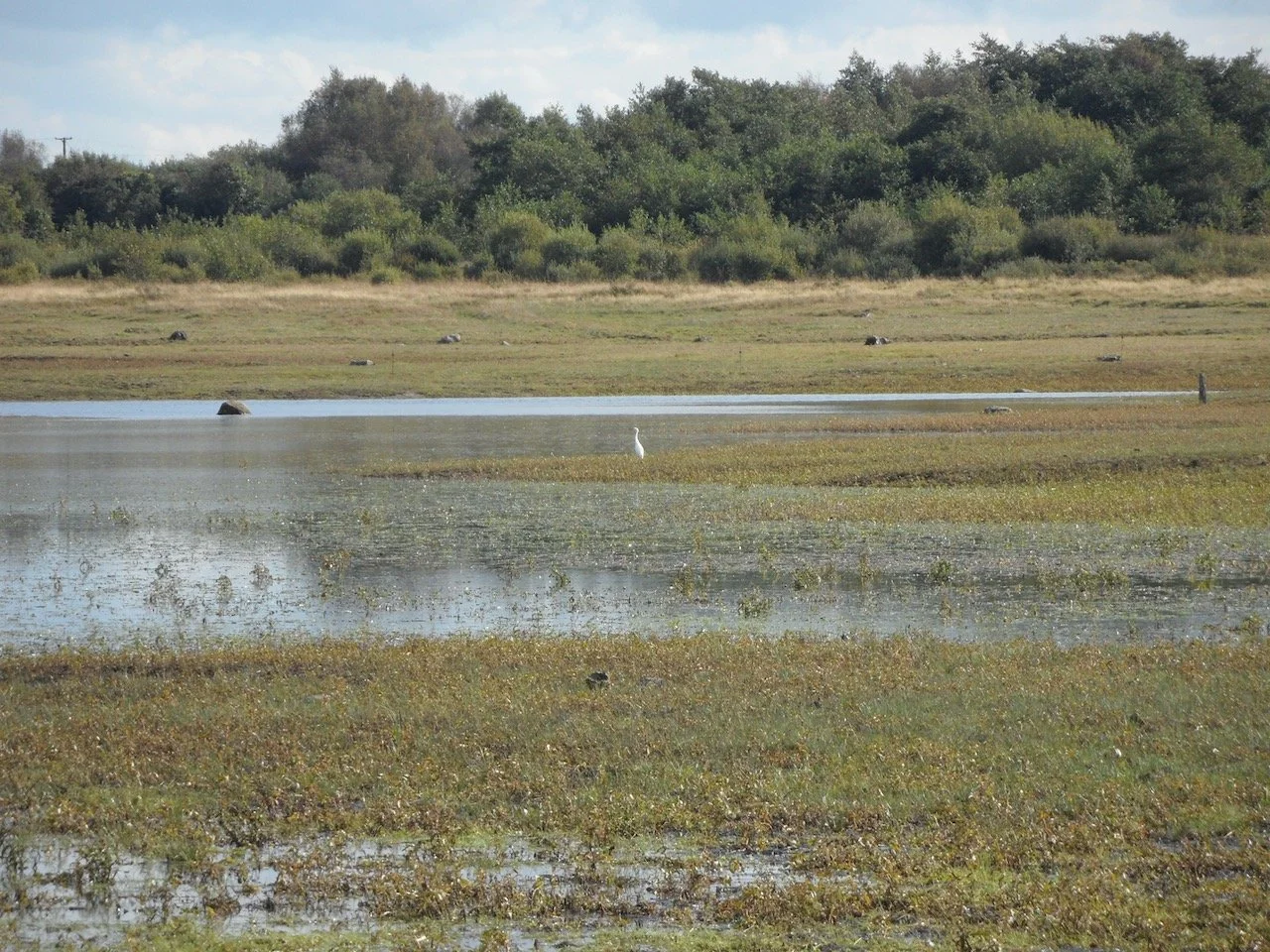
Wetland Surveys
I have undertaken surveys on behalf of the National Parks and Wildlife Service, local authorities, local environmental groups, engineering firms, and private developers. These surveys have been undertaken to develop county wetland inventories, provide information on habitat status and management requirements, support larger infrastructure developments and one off project developments.
-
![]()
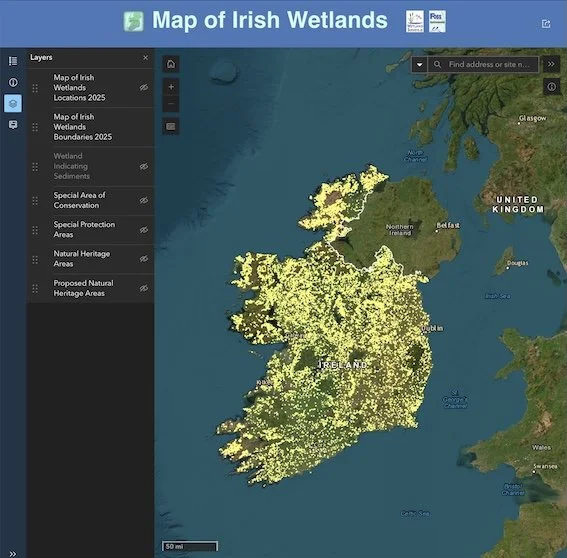
Map of Irish Wetlands
In conjunction with Wetland Surveys we have championed the development of a mapping project to show the location and provide a description of 14,200 wetlands in Ireland and share the information on a free publicly available on-line app. The project has been developed on a voluntary basis with the support of many Irish ecologists and research groups.
-
![]()
Wildlife Photography
Since the early 1980's I have photographed a range of Irish habitats and their wildlife, especially bogs, fens and wetlands and have compiled an extensive library of over 85,000 images. These have been used in a range of technical reports, publications and on-line resources. If you would like to obtain high resolution images of any of the pictures in my collection please use the contacts page to get in touch.
-
![]()
Project data management
I have undertaken data management projects since the 1980s and worked with various groups to manage and store large datasets including wetland inventory data, results-based data and payment systems, habitat creation projects, field survey recording and rare species information.
-
![]()
On-line Story Maps
In co-operation with Wetland Surveys Ireland I have developed a number of interactive story maps to use via the browser on your smartphone, tablet or computer. The story maps aim to increase awareness about wetlands and their biodiversity and conservation value.


Photograph of the month
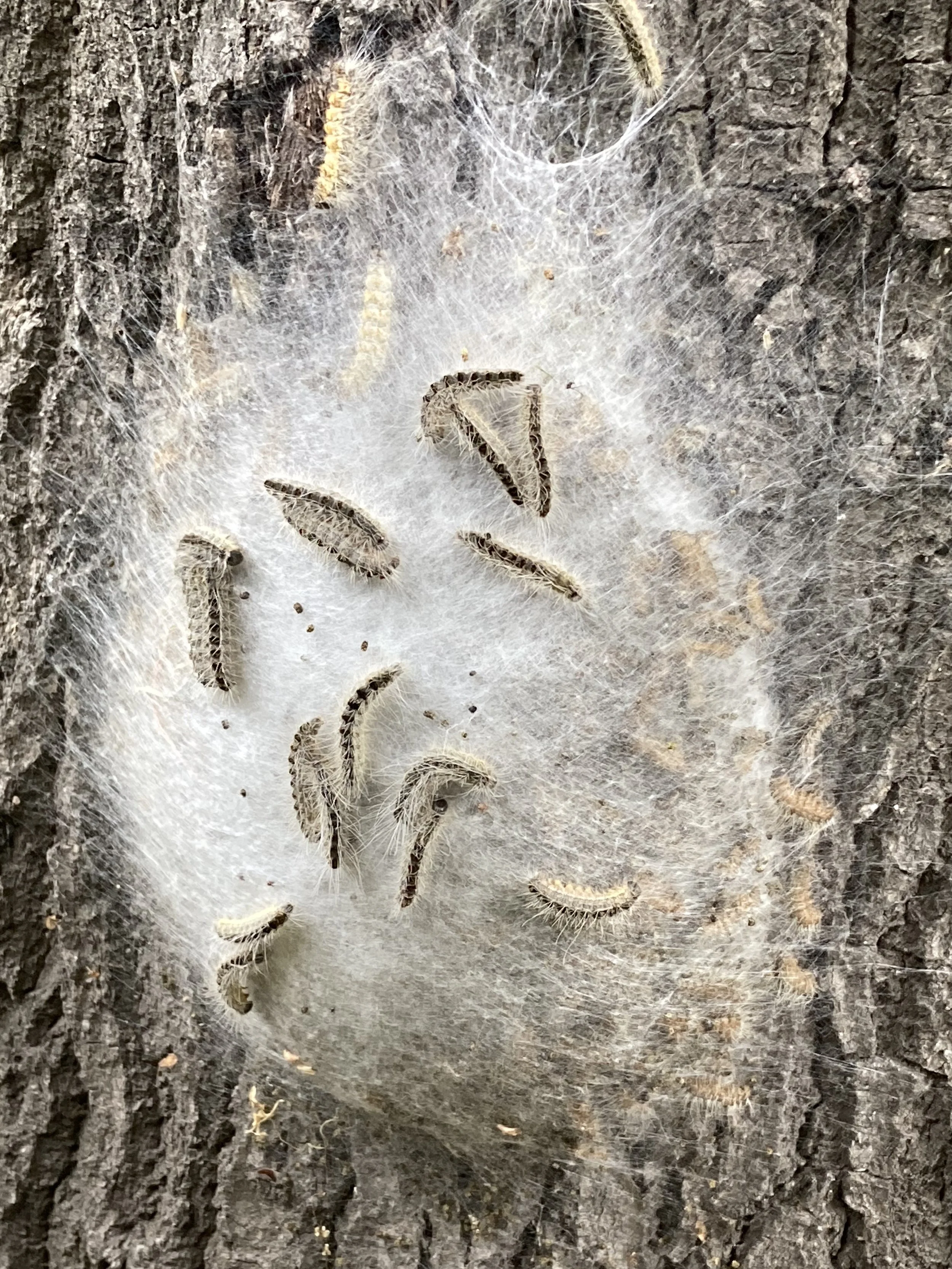
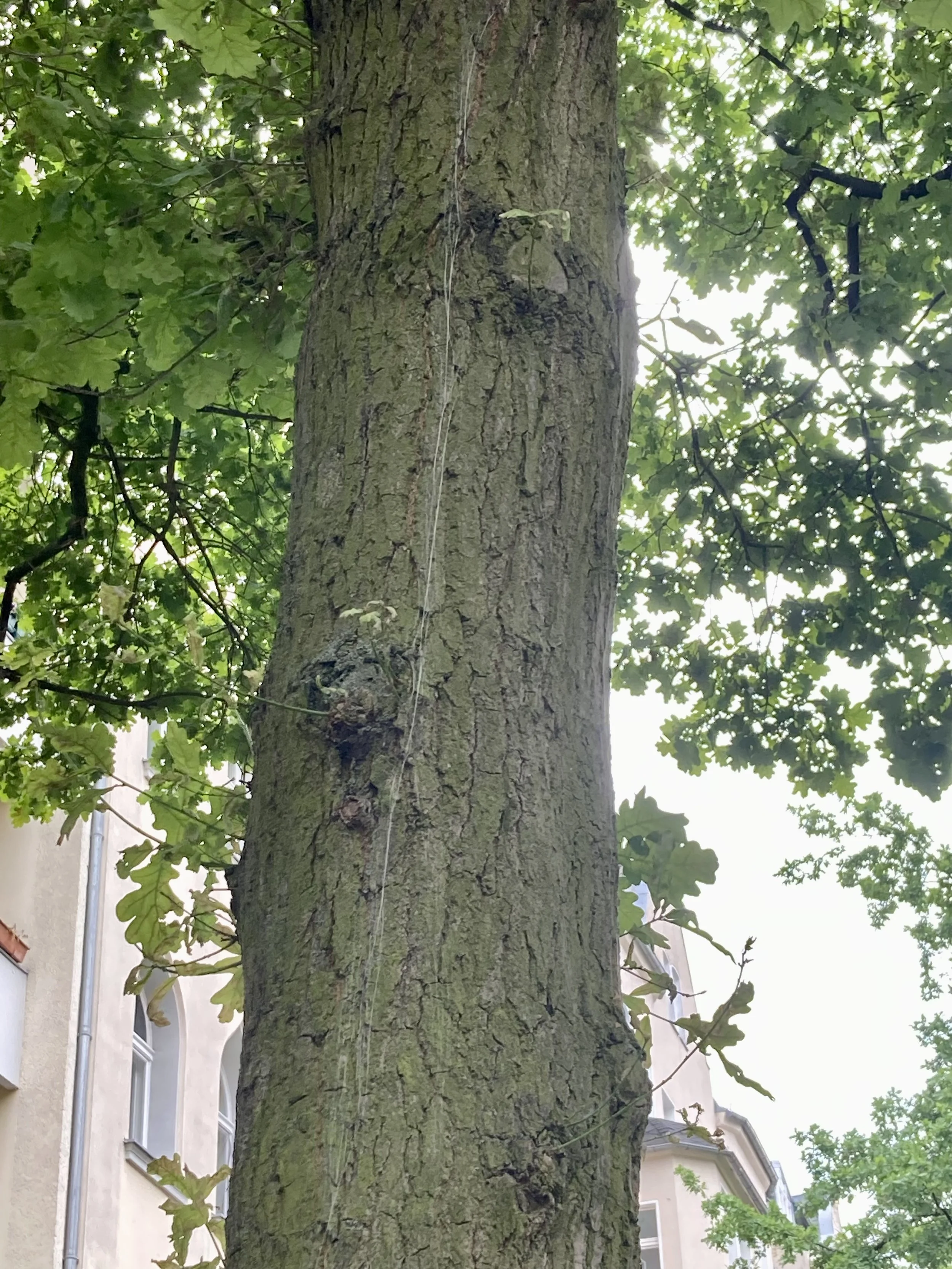
Oak processionary (Thaumetopoea processionea) is a moth whose caterpillars can be found in oak forests, where they feed on oak leaves, causing significant damage.
They travel in nose-to-tail processions (hence their name), often arrow-headed, with a leader followed by rows of several caterpillars abreast. They are a human irritant because of their venomous setae (specifically urticating hairs), which can cause skin irritation and asthma.
Oak is its preferred food source, but the moth also eats the leaves of hazel, hornbeam, sweet chestnut, birch and beech.
In early summer they build silk nests on the trunks and branches, but not in the leaves, of oak trees, and leave silk trails on the trunks and branches. The nests and trails are originally white and visible, but soon become discoloured and hard to see. The caterpillars stay in these nests during the day between feeding periods, and later in the summer they remain in the nests to pupate into adult moths.
The moths pose an increasing nuisance to humans as their range is extended. The backs of older caterpillars (3rd to 6th instars) are covered with up to 63,000 pointed defensive bristles, sized between 0.2 and 0.3 millimeters, which contain an urticating toxin. These setae break off readily, become airborne and can cause skin irritation and itching, conjunctivitis and, if inhaled, respiratory distress, including asthma or even anaphylaxis.
The caterpillars are dealt with by biological pest control. (Source: Wikipedia)
Quick links
-

About me
I am a Chartered Ecologist and a full member of the Chartered Institute of Ecology and Environmental Management (CIEEM). I am the author of numerous books and scientific reports and have published extensively in scientific literature.
-
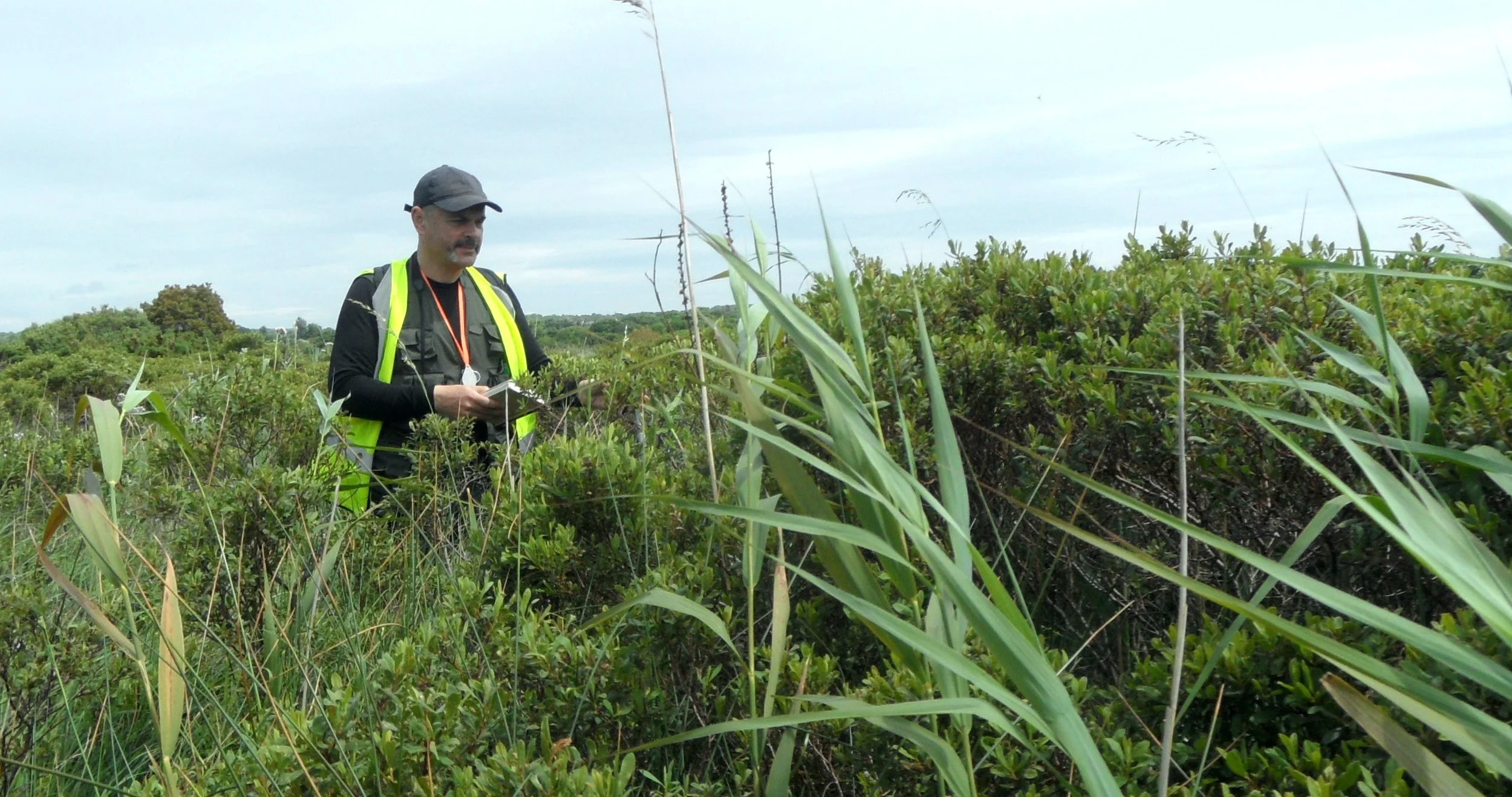
Services
I have extensive professional environmental experience and can offer a range of ecological services to clients in Ireland and overseas.
-
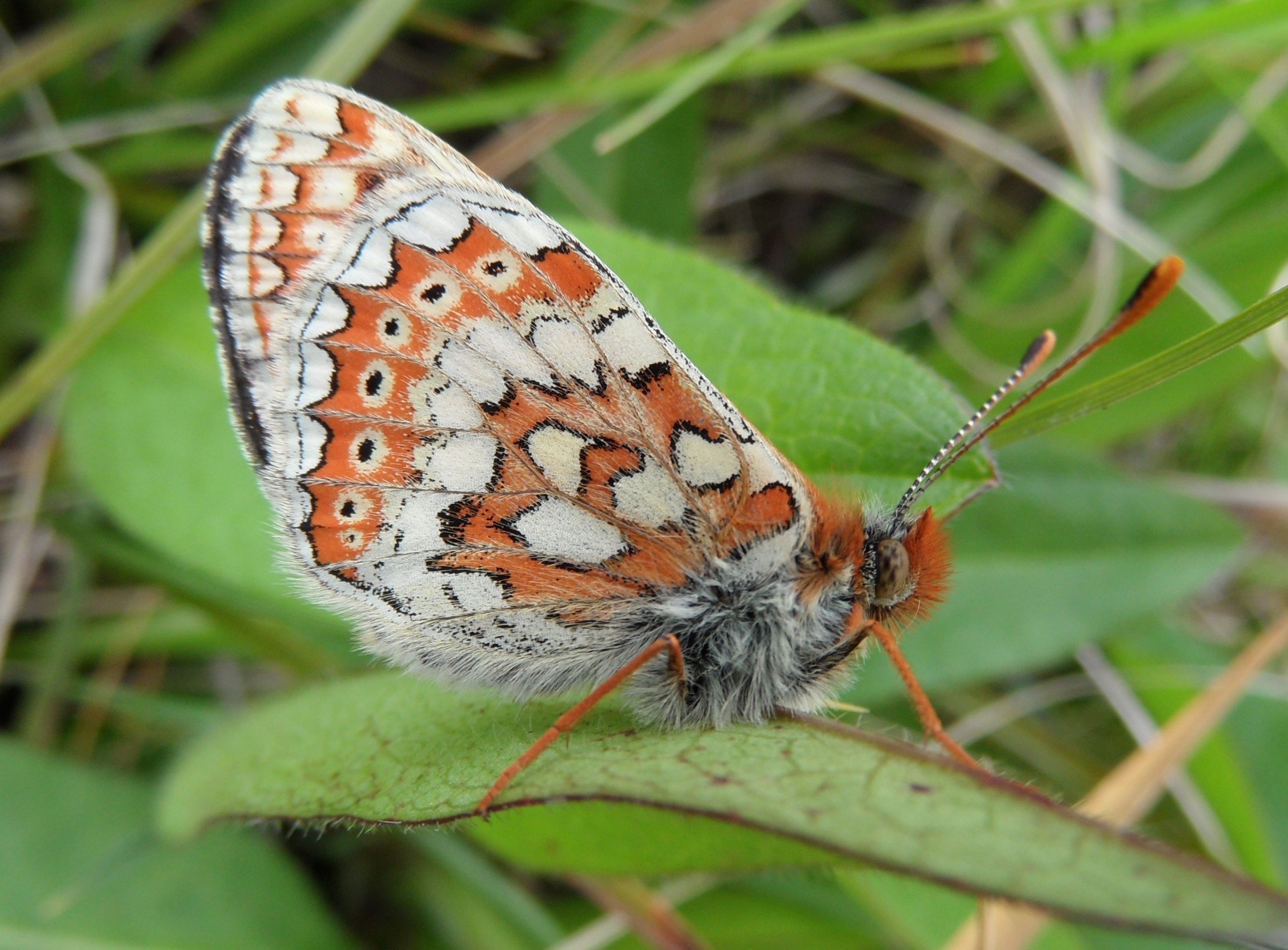
Project Involvement
You can see a full list of the survey, research, monitoring, data management and educational projects I have been involved in over the past 40 years here.
-

Publications
Full list of research publications, reports, education and on-line resources I have written and collaborated on.